
eTrash4Life
Our Projects
eTrash4Life
STATUS: Completed
Project Overview
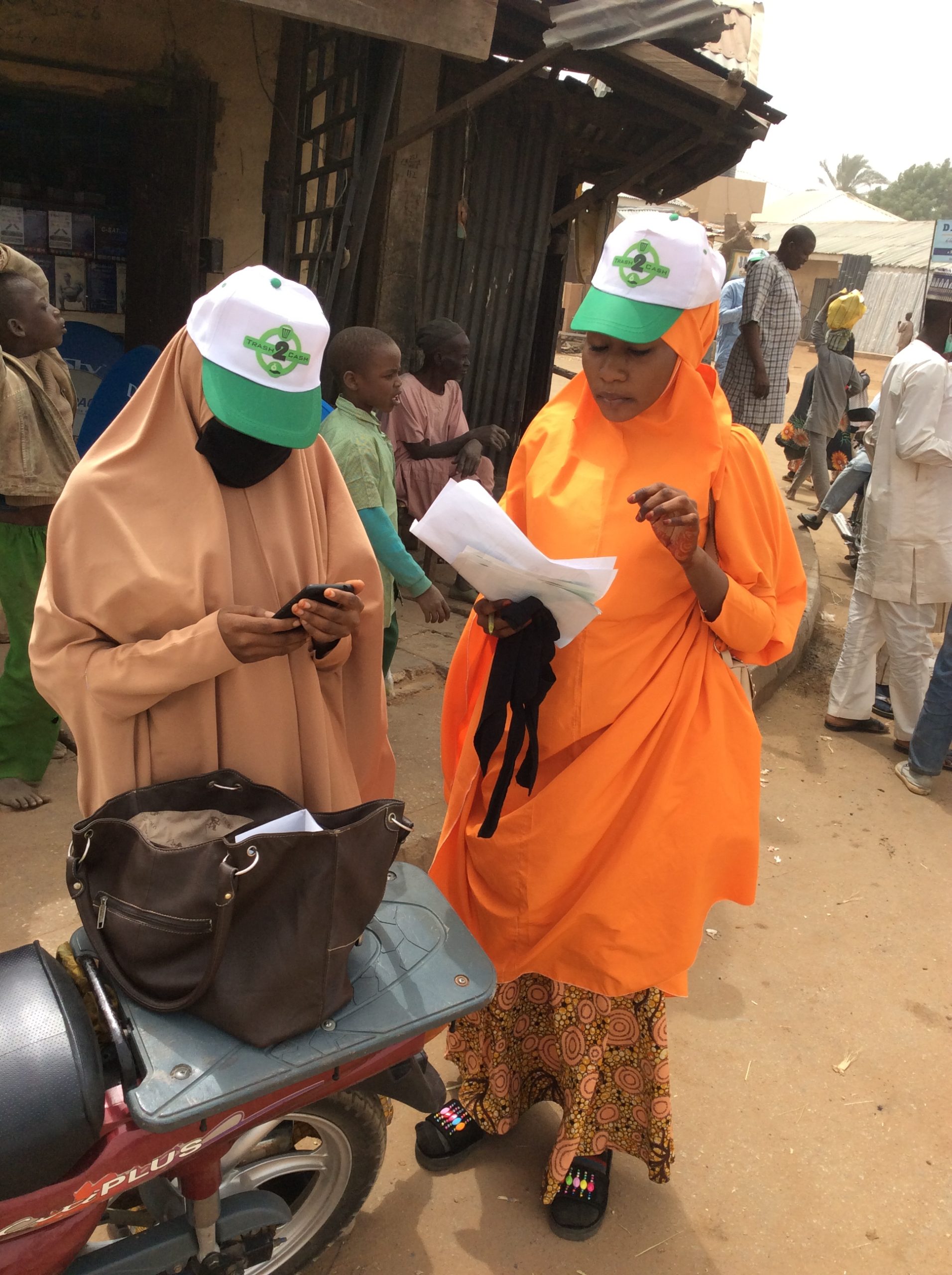
People at the bottom of the pyramid (BoP) feel the effect of two major crisis the most; health and environmental or climate change crisis. Nigeria is the most populous country in Africa and has the highest prevalence rates of NCDs, deep extreme poverty makes it difficult for the bulk of the population to access healthcare, for instance, 87 million people struggle to live under $1 daily, which makes it impossible for them to meet all their basic needs. Because of the same poverty, access to any form of healthcare is very low within the low-income groups, for instance, a research by Enhancing Financial Innovation & Access in 2018 says less than 2% of 97 million adults could access healthcare through health insurance. And so, this leads to a BIG health crisis that makes NCDs account for almost 1 in every 3 deaths in Nigeria. Bulk of our population are extremely poor, but fortunately, the people are also “wastes” generators, Nigeria is ranked the 17th highest emitter of GHG globally, and improper waste management is the 4th largest source of this emission. This is not surprising, Nigeria has 36 states, and each major city is estimated to generate 10, 000 MT of trash on a daily basis, although estimates show that 80% of the trash could contain potential reusable value, only 26% on average is managed. Therefore, more than ever before, huge quantities of useful “resources” in the name of “trash” continue to pose great environmental and climate change challenges, from air, land and water pollution, preventable diseases and wastes-related floods, to generation of greenhouse gases that contributes to the effects of climate change. Waste generation rates (especially discarded plastics) is on the increase and constitutes risks to both animal/human health and our environment. It is estimated that most plastics would take thousands of years to break down fully into organic components. Because of this longevity and low rate of recycling, the limited infrastructure and awareness at the grassroots, much of the plastic wastes end up in landfills or as litter. Some of this plastic waste make their way via rivers and wind to the oceans resulting to contamination and release of micro-plastics in the environment which end up in our food-chain. In view of this, MMH and eTrash2Cash are working together to change the narrative. Through innovative practice, we are testing a model for an enviro-health model of education, awareness creation and free NCDs screening exercise in communities. Through the use of the traditional media and prints, we will create local education & awareness on key issues around NCDs and sustainable environment, drive more wastes collection & sustainable recycling within our communities which would in turn support more people use their earned cash incentives to access affordable healthcare through vouchers.
Testimonials
From our Clients
Amina
Bakin Teku, Nigeria
“Ban taba sanin cewa robobi na zasu kawo min kudi haka bah. Ta hanyar eTrash2Cash, na samu alheri a hanya mafi sauqi daga shara. Naji dadi, kuma shi ma muhallin ya zama tsabtatacce”.
DONATE
If you appreciate the important work we are doing which makes both social and environmental impact and would like to support us in anyway, we welcome donations.
And yes, donations would no longer have to be in cash. We see every “trash” as a resource, so, instead of cash, you can opt to make your donation with just “trash”!